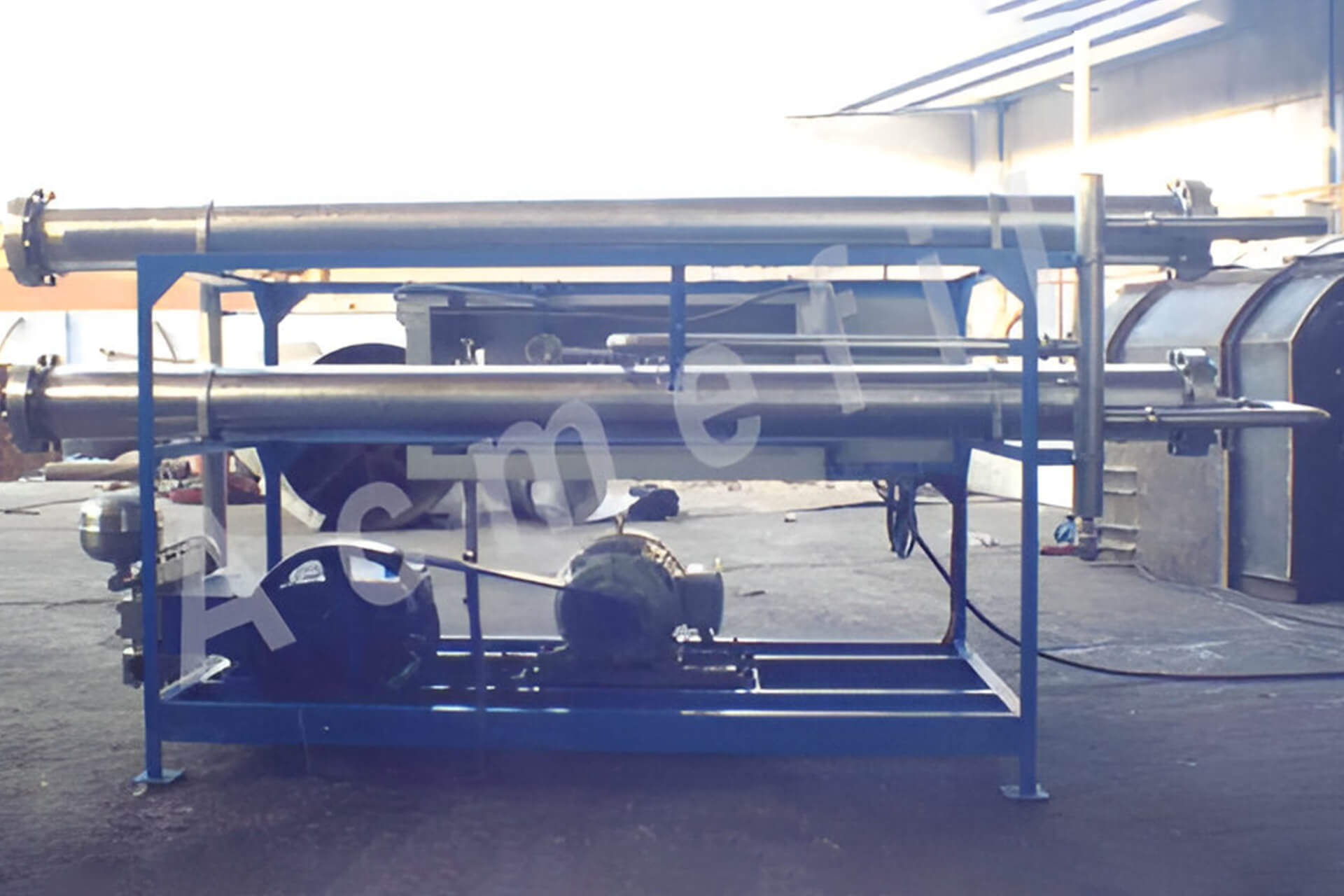
Ultrafiltration (UF) systems offer powerful technology within membrane separation processes. These systems use pressure to separate particles and molecules suspended in a liquid or solution based on their size and shape. The hallmark of UF systems lies in their membranes, featuring a pore size range of 0.01 to 0.1 microns. This size falls between those of microfiltration membranes (with larger pores) and nanofiltration/reverse osmosis membranes (with even smaller pores).
You can use UF systems to remove various unwanted elements from diverse liquids. These elements include suspended solids, colloids, bacteria, viruses, and macromolecules. UF systems effectively treat surface water, groundwater, industrial process water, and wastewater. Additionally, UF systems serve as a crucial pretreatment step for reverse osmosis and nanofiltration systems, removing larger particles and organic matter before more refined filtration.
Three key components make up a UF system:
Membrane Module: This core element houses a collection of UF membranes, typically crafted from polymeric materials such as polyethersulfone (PES), polyvinylidene fluoride (PVDF), or polysulfone (PSU), designed to effectively filter out organic molecules and contaminants.
Feed Pump: The feed pump supplies the liquid or solution requiring filtration to the membrane module under pressure.
Pressure Vessel: This component houses the membrane module, maintaining the desired operating pressure within the system.
UF systems operate in two distinct filtration modes:
Dead-End Filtration: The liquid passes through the membrane module, and the filtered liquid is collected on the opposite side.
Cross-Flow Filtration: The liquid passes over the membrane surface. The system continuously removes the filtered liquid to prevent membrane fouling and ensure efficient performance.
Ultrafiltration (UF) membranes come in various configurations designed for specific applications and treatment needs.
Immersed Hollow Fiber Membranes
Pressurized Hollow Fiber Membranes
Spiral Wound Membranes
Tubular Membranes
Plate and Frame Membranes
Operate submerged in a feed tank, ideal for wastewater and surface water treatment.
High surface area and pore sizes (0.01–0.1 microns) allow removal of bacteria, viruses, and colloids.
Suitable for both large municipal and small decentralized treatment systems.
Require periodic backwashing and chemical cleaning for longevity.
Use applied pressure to drive water through fibers, ensuring consistent water quality.
Designed to handle fluctuations in feed water quality.
Depend on maintaining optimal transmembrane pressure (TMP) for efficiency.
Routine cleaning (backwashing and chemicals) ensures long-term reliability.
Compact design with flat sheets rolled around a central tube.
High permeability and efficiency in removing particulates and bacteria.
Widely used in food & beverage industries and municipal water treatment.
Easy to maintain and space-saving.
Cylindrical shape with porous walls, ideal for high solid concentration feed streams.
Reduced fouling risk and easy cleaning.
Used in wastewater treatment and food processing industries.
Effective for separation and concentration of valuable components.
Flat sheets arranged between support plates for durability under high pressure.
Effective for high-viscosity fluids (e.g., whey filtration).
Suitable for food processing, pharmaceuticals, and industrial filtration.
Allow easy access for cleaning and replacement.
Fouling occurs when suspended solids, organic compounds, or particulates accumulate on the membrane surface.
Results in reduced flow rates and higher transmembrane pressure.
Requires pre-treatment and regular cleaning protocols to ensure consistent water quality.
High Separation Efficiency – Removes contaminants effectively.
Low Energy Consumption – Minimal energy and chemical usage.
Low Operating Costs – Cost-effective in long-term operation.
Operational Simplicity – Easy to operate and maintain.
Customization Potential – Systems tailored for specific industry applications.
At Acmefil, we take pride in being a leading manufacturer of top-tier ultrafiltration (UF) systems and membrane filtration solutions.
Unmatched Quality – Premium materials and cutting-edge design.
Diverse Selection – Wide range of UF systems for different industries.
Customizable Solutions – Tailored to unique client needs.
Exceptional Customer Support – End-to-end guidance from consultation to maintenance.
Partner with Acmefil to achieve reliable water treatment and advanced filtration performance.
Designing an effective UF system requires:
Pre-treatment – Prevents fouling and ensures longevity.
Operation Strategy – Optimize TMP and flow rate for efficiency.
Post-treatment – Achieve higher purity for sensitive applications.
Ultrafiltration (UF) systems are a proven solution for industrial and municipal applications. They deliver high separation efficiency, low energy consumption, and reduced operating costs. By leveraging pressure-driven membrane separation, UF systems ensure cleaner outputs for industries worldwide.
Partner with Acmefil today to elevate your water treatment process with advanced UF technology.
Ultrafiltration (UF) is a process that uses a semi-permeable membrane with pore sizes typically ranging from 0.1 to 0.001 micrometers. This allows the system to separate and remove larger molecules and particles from liquids, making it more effective than conventional filtration methods.
A membrane filtration system passes liquid through a semi-permeable membrane to separate particles or contaminants. Depending on the pore size, it can filter out bacteria, viruses, suspended solids, and some dissolved substances.
Membrane filtration is widely applied in:
Water treatment – producing potable water.
Food and beverage production – ensuring product quality and safety.
Pharmaceutical manufacturing – maintaining purity and compliance standards.