

Key Highlights
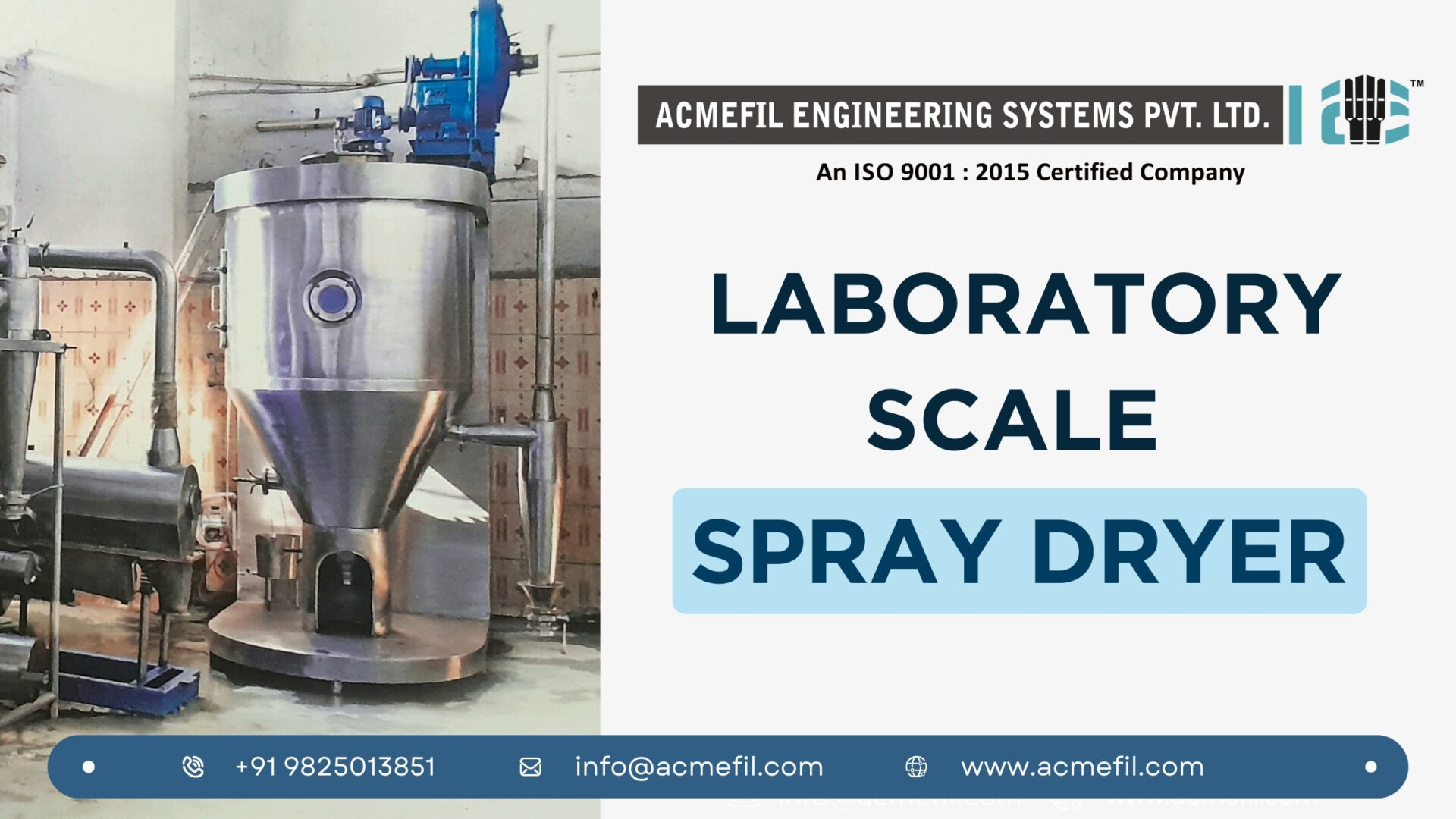
Discover how a laboratory spray dryer transforms liquid samples into a fine powder through a rapid drying process.
Learn about the essential features that impact product quality, from atomization methods to material compatibility.
Explore the wide-ranging applications in pharmaceuticals, food processing, and the chemical industry.
Understand how to select the right equipment based on your unique requirements, including sample types and batch sizes.
Get practical tips on maintenance and troubleshooting to ensure your spray dryer operates efficiently.
Introduction
Are you looking for an efficient way to convert small liquid samples into dry powder? A lab spray dryer might be the perfect solution for your research and development needs. This technology is essential for laboratory scale spray drying, offering a quick and gentle method to produce consistent, high-quality powders. The spray drying process is versatile and widely used across many industries. This guide will walk you through how these machines work, their key applications, and how to choose the right one for you.
Understanding Laboratory Spray Drying Technology
At its core, lab spray drying is a method of converting a liquid feed into a dried particulate form. The technology relies on a carefully controlled drying process that is both rapid and gentle, making it ideal for a variety of materials.
The spray dryer design is crucial for achieving the desired results, as it directly influences particle characteristics and overall efficiency. Understanding how this technology functions is the first step in harnessing its full potential for your projects. Let’s look closer at how these machines operate and the different types available.
How Laboratory Spray Dryers Work
A laboratory spray dryer is a device that flash-dries a liquid into a solid powder. The process begins when the liquid feed is introduced into the system. It is then atomized into a spray of extremely small droplets using a specialized spray nozzle.
These fine droplets are directed into a drying chamber, where they come into contact with a stream of hot air. This immediate exposure to heat causes the liquid solvent to evaporate almost instantly, leaving behind dry, solid particles. The rapid evaporation helps protect heat-sensitive materials from thermal degradation.
Finally, the resulting powder is separated from the air stream, typically using a cyclone separator, and collected for use. This process allows for precise control over the final particle size and density, ensuring you get a consistent, high-quality product every time.
Types of Laboratory Spray Dryers Available in India
When exploring laboratory spray dryers, you’ll find several types designed for different scales and applications. Laboratory models are designed for R&D, handling smaller volumes from 50ml to a few liters per hour. They are compact, often portable, and can operate on a single-phase power supply. In contrast, industrial spray dryers are built for large-scale production, processing hundreds or thousands of liters per hour, and require three-phase power.
As leading spray dryer manufacturers, we at Acmefil offer a range of lab-scale units. These models may use a two-fluid nozzle or single fluid nozzle for atomization, depending on the feed material. The system uses heated air for drying, but for certain applications, an inert gas loop system can be implemented for safety and solvent recovery.
Here is a quick comparison of different Acmefil laboratory models:
Model Type | Capacity (Water Evaporation) | Key Feature |
|---|---|---|
Mini Laboratory Dryer | 200 ml – 1 Litre/Hr | Compact and flexible for R&D |
Minor Laboratory Dryer | Up to 3 Kg/Hr | Ideal for kilo labs with recipe function |
Advance Laboratory Dryer | 3-5 Kg/Hr | Suitable for various industries, cGMP standards |
Key Applications of Laboratory Spray Dryers
The versatility of spray drying technology makes it invaluable across numerous fields. Its ability to create a uniform dry powder from a liquid solution is a significant advantage, particularly when working with sensitive materials that could be damaged by other drying methods.
From creating life-saving medicines to formulating new food ingredients, the applications are vast. Below, we’ll explore some of the most common uses in the pharmaceutical, chemical, and food industries, highlighting how this technology drives innovation.
Usage in Pharmaceuticals and Chemicals
In the pharmaceutical industry, spray drying is a critical process for drug formulation. It is used to produce a fine, dried powder with uniform solid particles, which is essential for manufacturing tablets, capsules, and inhalable medications. This method can improve a drug’s solubility and bioavailability, making it more effective.
The chemical industry also relies heavily on spray drying. The technology is used to produce a wide range of products, including pigments, catalysts, ceramics, and detergents. The ability to control particle size and density ensures the final product has consistent properties, which is crucial for performance and quality.
For both industries, the gentle and rapid drying process is a key benefit. It allows for the processing of heat-sensitive compounds without degrading them, preserving the integrity of the final product and ensuring it meets stringent quality standards.
Food, Beverage, and Plant Extract Applications
The food industry widely uses spray drying for its ability to convert liquid food products into a stable dry powder. This process is essential for food processing, as it helps extend shelf life, reduce storage and transportation costs, and create convenient food ingredients.
Many common products in your kitchen are made using this technology. The process preserves the flavor, aroma, and nutritional value of the original liquid, making it a preferred method for high-quality food production. For example, it is used to create everything from dairy products to flavorings.
Some typical applications in the food and beverage industry include:
Powdered milk and dairy products
Instant coffee and tea
Spices, flavors, and food colorants
Fruit and vegetable powders
Essential Features to Consider in a Labplant Spray Dryer
When you’re ready to invest in a lab spray dryer, knowing which features to look for is crucial. The right components and controls directly impact the efficiency of the spray drying process and the final product quality. A well-designed machine will give you reproducible results and operational flexibility.
From the way the liquid is atomized to the materials used in construction, every detail matters. Let’s examine some of the most important features, such as atomization controls and evaporation capacity, to help you make an informed decision.
Atomization Methods and Controls
Atomization is one of the most critical steps in spray drying. This is the process that breaks the liquid feed into fine droplets, and the method used will determine the final particle size. Options include two-fluid nozzles, pressure nozzles, and rotary atomizers, each suited for different liquid viscosities and desired outcomes.
The feed pump, which is often a peristaltic pump in lab models, plays a vital role by delivering the liquid to the atomizer at a consistent rate. An advanced control system is equally important, as it allows you to precisely manage parameters like a feed rate, gas flow, and temperature.
At Acmefil, our lab spray dryers, like the Minor and Advance models, feature PLC-based controls with a touchscreen interface. This gives you complete command over the process, ensuring you can document and replicate your results for consistent product quality.
Evaporation Capacity and Material Compatibility
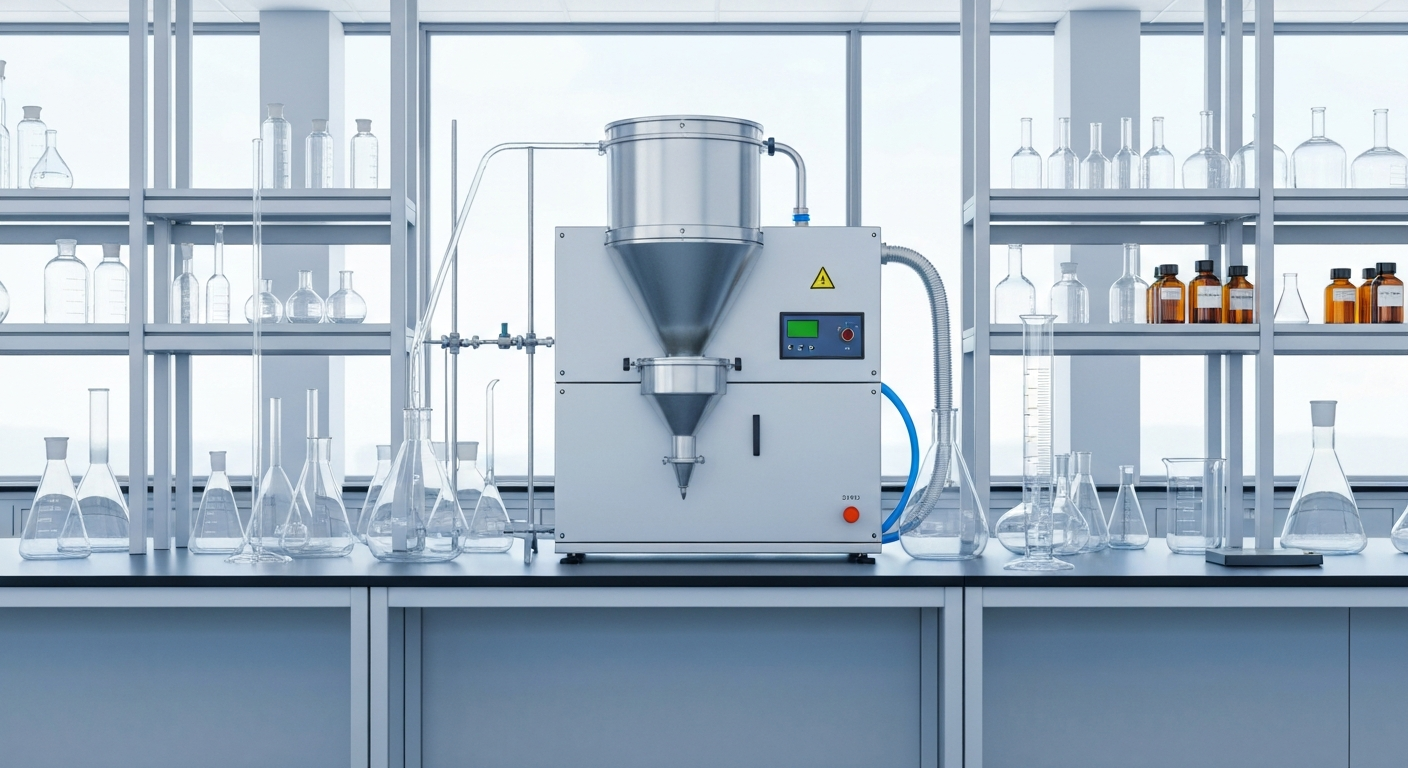
A key specification to consider is the evaporation capacity, which indicates how much solvent the dryer can remove per hour. This will determine your throughput and the batch sizes you can process. Acmefil’s lab dryers range from 200 ml/hr to 5 kg/hr water evaporation capacity.
The material of construction is also vital, especially for the main chamber and product contact parts. Most of our dryers are built with high-quality SS 316L stainless steel, which is durable, corrosion-resistant, and easy to clean, making it ideal for pharmaceutical and food-grade applications. This ensures purity and prevents contamination.
Properly matching the dryer’s capacity and materials to your needs offers several advantages:
Efficiency: A rapid drying time minimizes product exposure to heat.
Flexibility: Precise control over drying conditions allows you to work with a wide range of materials.
Durability: High-quality construction ensures a long service life and reliable operation.
Guide to Selecting the Right Laboratory Spray Dryer for Your Research
Choosing the right lab spray dryer is a critical decision that depends entirely on your specific research goals and production processes. There is no one-size-fits-all solution, so it’s important to evaluate your unique requirements before making a purchase.
Considering factors like the types of samples you’ll be working with and your desired batch sizes will help you narrow down the options. We’ll guide you through the key criteria to ensure you select a machine that perfectly aligns with your needs.
Sample Types and Batch Sizes
What kind of materials will you be drying? Whether you’re working with aqueous solutions, organic solvents, food products, or heat-sensitive pharmaceuticals, the nature of your sample will influence your choice of dryer. Some models are specifically designed for certain types of solvents or come with options like closed-loop systems for safely handling flammable materials.
Next, consider your required throughput. Laboratory spray dryers are perfect for processing small quantities, from milliliters to a few liters. Assess your typical batch sizes to determine the necessary evaporation capacity. For early-stage R&D, a unit like our Mini Laboratory Spray Dryer is ideal, while a Minor or Advance model can handle larger kilo-lab batches.
Finally, think about your workspace. Most lab dryers are designed with a small footprint to fit easily into a research environment. Our mini models are compact and easy to move, offering maximum flexibility without sacrificing performance.
Criteria for Matching Dryer Features with Your Needs
To find the perfect match, you need to align the dryer’s features with your application’s demands. The overall spray dryer design, including whether it’s made of glass or stainless steel, can be important. A glass unit allows for visual monitoring of the process, which is helpful during initial development.
The level of control you need is another major factor. Look at features like the feed rate, which is managed by a peristaltic pump, and the ability to precisely set the inlet temperature. For GMP-compliant environments, you may need a unit with advanced data logging and recipe management capabilities.
Here are some key criteria to consider when making your selection:
Atomizer Type: Does the unit offer the right nozzle for your liquid’s viscosity?
Control System: Do you need a simple manual setup or an advanced PLC with a touchscreen?
Material of Construction: Is SS 316L required for your product?
Accessories: Check for a wide range of accessories, like different cyclone sizes or filters, to enhance flexibility.
Laboratory Spray Dryer Maintenance and Troubleshooting Tips
To ensure the long-term performance and safe operation of your laboratory spray dryer, regular maintenance is essential. Simple checks and routine cleaning can prevent common issues and extend the life of your equipment. Before starting any maintenance, always disconnect the power supply.
Keeping an eye on key components and knowing how to address minor problems will keep your experiments running smoothly. From cleaning the chamber to troubleshooting the control panel, these tips will help you maintain your machine in top condition.
Routine Cleaning Procedures
Proper cleaning is non-negotiable, especially in applications like food processing and pharmaceuticals where purity is paramount. After each use, it’s important to thoroughly clean all product contact parts to prevent cross-contamination between batches.
Start with the drying chamber and cyclone, wiping them down to remove any residual powder. The spray nozzle requires special attention, as any blockage can affect atomization and performance. Dismantle and clean it according to the manufacturer’s instructions to ensure it remains clear of hardened deposits.
For a complete cleaning regimen, follow these steps:
Disassemble and clean the spray nozzle, feed tube, and collecting vessel.
Wipe the inside of the drying chamber and cyclone separator.
Check and clean or replace the bag filter or exhaust filter to ensure proper airflow.
Common Operating Issues and How to Fix Them
Even with the best equipment, you may occasionally run into operational issues. Knowing some basic troubleshooting can save you time and frustration. For instance, if you’re not getting any dried powder, the problem could be related to the feed, temperature, or airflow.
A common problem is inconsistent output. This might be caused by a blockage in the nozzle or fluctuations in the feed pump. Check the feed line for clogs and ensure the pump is calibrated correctly. If the product is sticking to the cyclone separator walls, it might be due to a low outlet temperature or incorrect air flow.
Here are a few common issues and their potential fixes:
Product is wet: Increase the inlet temperature or decrease the feed rate.
Nozzle blockage: Stop the feed pump, clean the nozzle tip, and filter your liquid feed.
Low powder yield: Check for leaks in the system, especially around the cyclone separator seals.
Chamber wall deposits: Ensure the spray is not hitting the chamber walls and adjust the nozzle position if needed.
Conclusion
In conclusion, selecting the right laboratory spray dryer is essential for optimizing your research outcomes and ensuring product quality. By understanding the various types of spray dryers, their features, and the specific needs of your applications, you can make an informed decision that aligns with your goals. Remember to consider factors such as atomization methods, evaporation capacity, and routine maintenance to enhance the performance of your equipment. At Acmefil, we are committed to providing solutions that cater to your unique requirements. For personalized assistance, don’t hesitate to reach out for a consultation with our experts today!
Frequently Asked Questions
What key features should I look for when selecting a laboratory spray dryer?
Look for a precise control system to manage temperature and feed rate, a suitable atomization method for your liquid, and a drying chamber made from appropriate materials like stainless steel or glass. A reliable feed pump and data logging capabilities are also key features that ensure consistent product quality and reproducible results.
How do different types of spray dryers affect the quality of the final product?
The spray dryer design directly impacts the final product. The atomizer type influences particle size, while the drying process parameters, managed via the control panel, affect moisture content and density. A well-chosen design ensures you can consistently produce a fine powder with the exact characteristics your application requires.
What are the common applications for laboratory spray dryers in various industries?
Laboratory spray dryers are widely used in the pharmaceutical industry for drug formulation, in food processing for creating ingredients like powdered milk, and in the chemical industry for producing pigments and catalysts. The drying process efficiently creates a uniform dried powder, making it valuable for R&D in these fields.
How can I determine the appropriate capacity and scale for my laboratory spray drying needs?
To determine the right scale, consider your typical batch sizes and required throughput. Look at the dryer’s water evaporation rate (e.g., L/hr or kg/hr) and match it to your needs. For R&D, a unit with a small footprint is often sufficient, while larger pilot batches may require a higher capacity.